
WELCOME TO THE
FARMERS SOLIDARITY FOR AGRICULTURAL AND SOCIAL DEVELOPMENT
(S0PADAS)


Farmers Solidarity for Agricultural and Social Development Organization (SOPADAS). Headquartered in the US, this remarkable initiative empowers rural farming communities by diligently introducing innovative techniques, promoting crop diversification, and encouraging sustainable practices. The organization addresses critical issues such as food security and poverty by actively fostering technology sharing and capacity building, thereby creating a pathway for holistic community development and resilience.
Key Initiatives:
Agricultural Development:
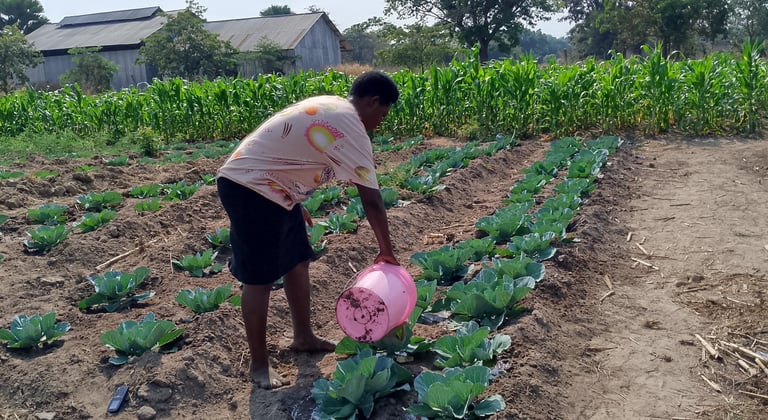
This critical initiative educates farmers on a variety of sustainable techniques designed to not only improve crop yields but also to build long-term resilience against climate change and other environmental challenges. By providing access to training and resources, the program ensures that farmers are well-equipped to face the demands of modern agriculture.
Social Development:
The Social Development initiative empowers vulnerable populations by significantly improving rural incomes and tackling both local community challenges and broader systemic issues. By focusing on enhancing livelihoods, this initiative aims to uplift entire communities and create lasting, positive change.
Platform Collaboration:
The initiative fosters knowledge sharing through organized Civic Social Protection Foundation Agricultural Platforms aiming to increase cooperation and drive sustainable growth by bringing together various stakeholders. This collaborative approach ensures that best practices are shared and that innovations are spread throughout the farming community.
Other Projects:
SOPADAS empowers communities across Tanzania and the D.R Congo through Skills Development Programs at their headquarters in the Urambo district, Tabora region. These diverse microenterprise initiatives provide practical education in technology, textiles, and manufacturing to enhance self-sufficiency and economic independence.
These vocational training streams focus on building self-sustaining local enterprises:
�� Technology & Administration
Computer Training:
Focuses on office administration and software like Excel.
Office Services:
Practical training designed to prepare community members for careers in graphic design, photo editing, and general office management.
Textile & Craft Production
Sewing & Tailoring:
Teaches young people and women how to design and sew clothes, providing them with the exact skills needed to start their own tailoring businesses.
Basket Making:
Weaving skills that empower women and girls to create handmade goods for the local market, generating supplementary household income.
Manufacturing & Sales
Soap Making:
Participants learn the formulation, packaging, and branding of both multi-purpose liquid soaps and bar soaps.
Retail Selling:
Trainees are taught business and entrepreneurial skills to effectively sell their soaps, crafts, and clothing in their local communities

/ Grassroots Coalition
Soil, Yield, and Policy Equity
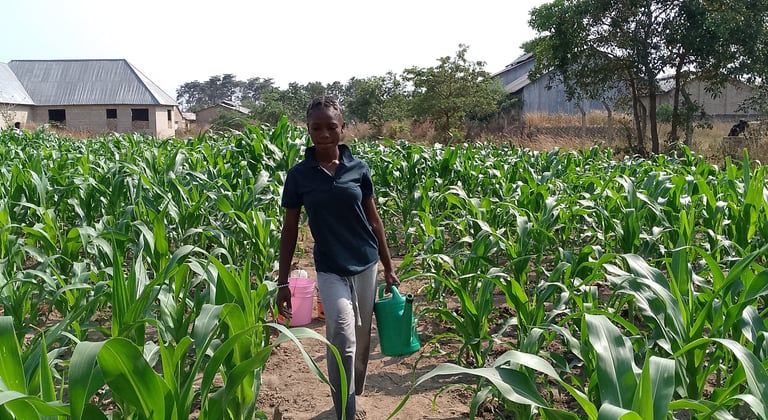
We build agricultural resilience directly in the soil alongside the people who work it. Our peer-to-peer network replaces institutional dependency with collective local action.
+ Verified Impact
Collective Field Results
Through structured peer-to-peer training and shared seed banks, our member cooperatives secure their food supply and assert their economic independence.
14k+
Active cooperative members
82%
Increase in soil organic matter
32
Regional policy reforms secured
Structured Peer Networks
Three Pillars of Equity
Shared Resource Toolkits
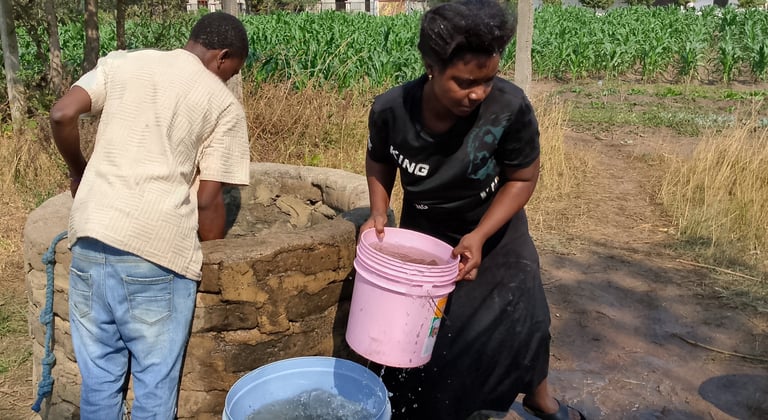
Cooperatives gain direct access to community-managed seed banks and shared toolkits designed for ecological resilience. These invaluable resources not only empower local farmers to cultivate diverse and sustainable crops but also foster a strong sense of community engagement and collaboration. By utilizing the seeds and tools provided through these initiatives, cooperatives are able to promote biodiversity, adapt to climate change challenges, and enhance food security within their regions. The impact of such programs extends beyond agriculture, contributing to the overall well-being and economic stability of the community as a whole.
Grassroots Advocacy
We actively organize and facilitate regional networks to advocate for necessary policy equity, promote fair market access, and ensure secure land tenure for marginalized farmers who often face significant challenges in their agricultural practices and livelihood. Through collaboration with various stakeholders, we aim to empower these farmers by amplifying their voices and ensuring that their rights are recognized and upheld within the broader economic framework.
We firmly reject distant institutional directives that often overlook local needs and realities. Instead, we believe that local leaders, who are deeply connected to their communities, should direct every program with greater autonomy. This approach ensures that resources are strategically allocated to directly support regional soil health and promote fair yields, ultimately leading to sustainable agricultural practices that benefit both the environment and the economy. By prioritizing local insights and fostering collaboration, we can build stronger communities and resilient ecosystems.
■ Take Action
Support Collective Resilience
Whether you are a cooperative leader seeking peer-to-peer training resources or an institutional donor looking to fund proven grassroots advocacy initiatives, your partnership drives systemic change. By joining forces, together we can amplify our impact, enhance community engagement, and foster a more inclusive environment that empowers everyone involved. It's through collaboration and shared goals that we can build a resilient network capable of addressing complex challenges effectively.