
FIELD-TESTED EDUCATION
Soil-to-Market Agronomy Training
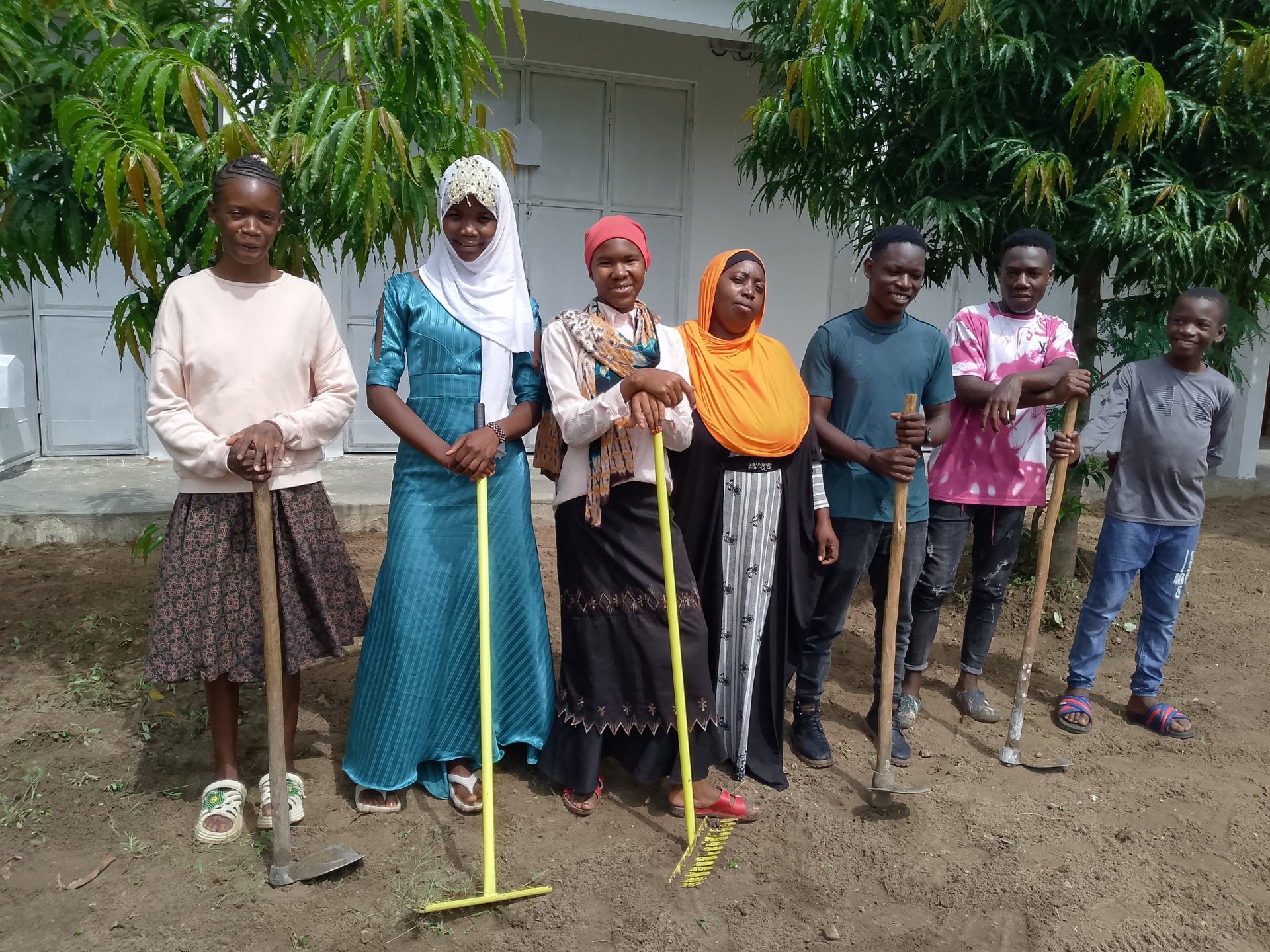
We deliver rigorous, hands-on agricultural training built for immediate field application. Our courses equip local farmers with technical agronomy skills and cooperative business strategies to secure lasting self-sustainability.
Active field learning
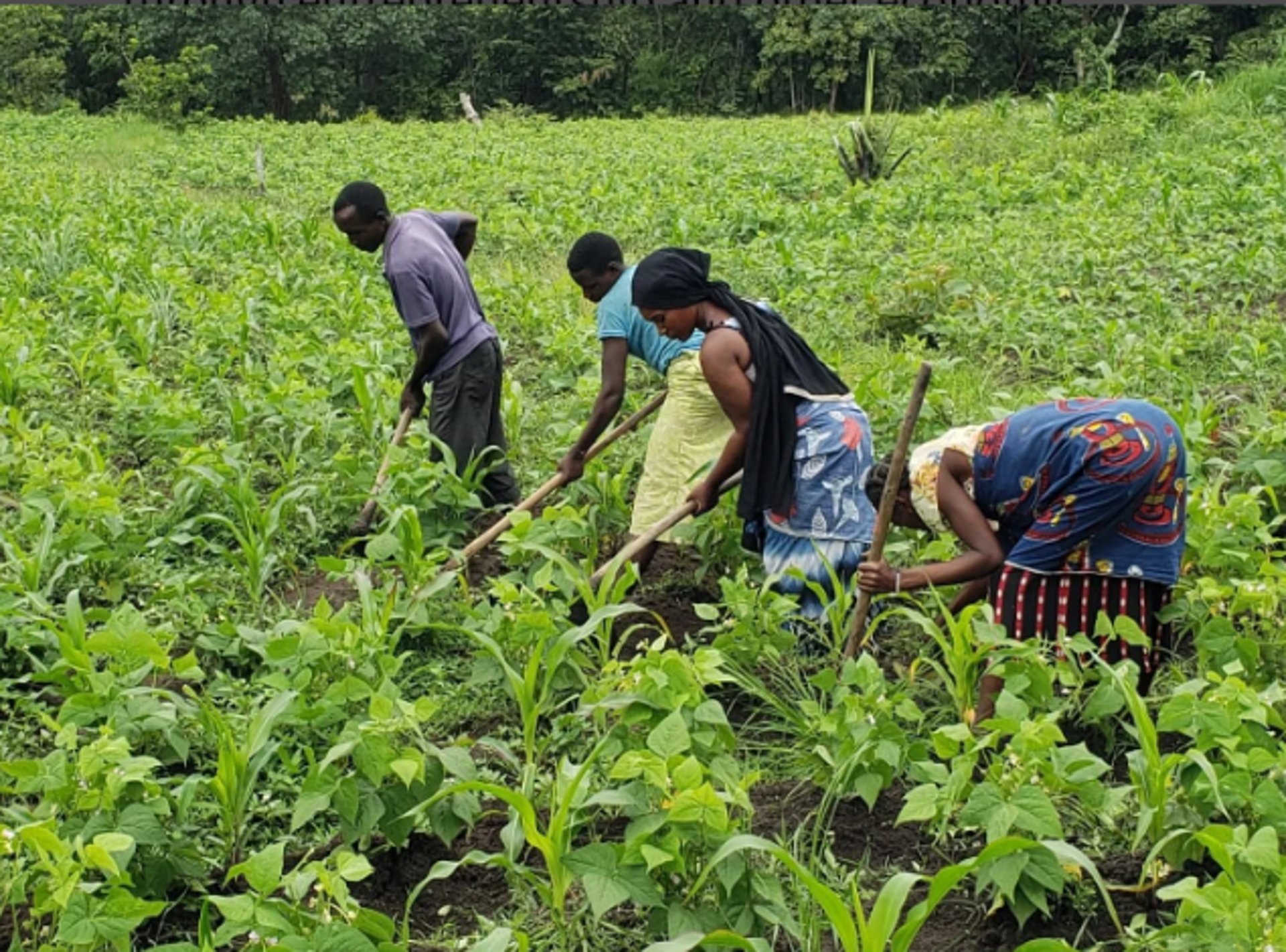
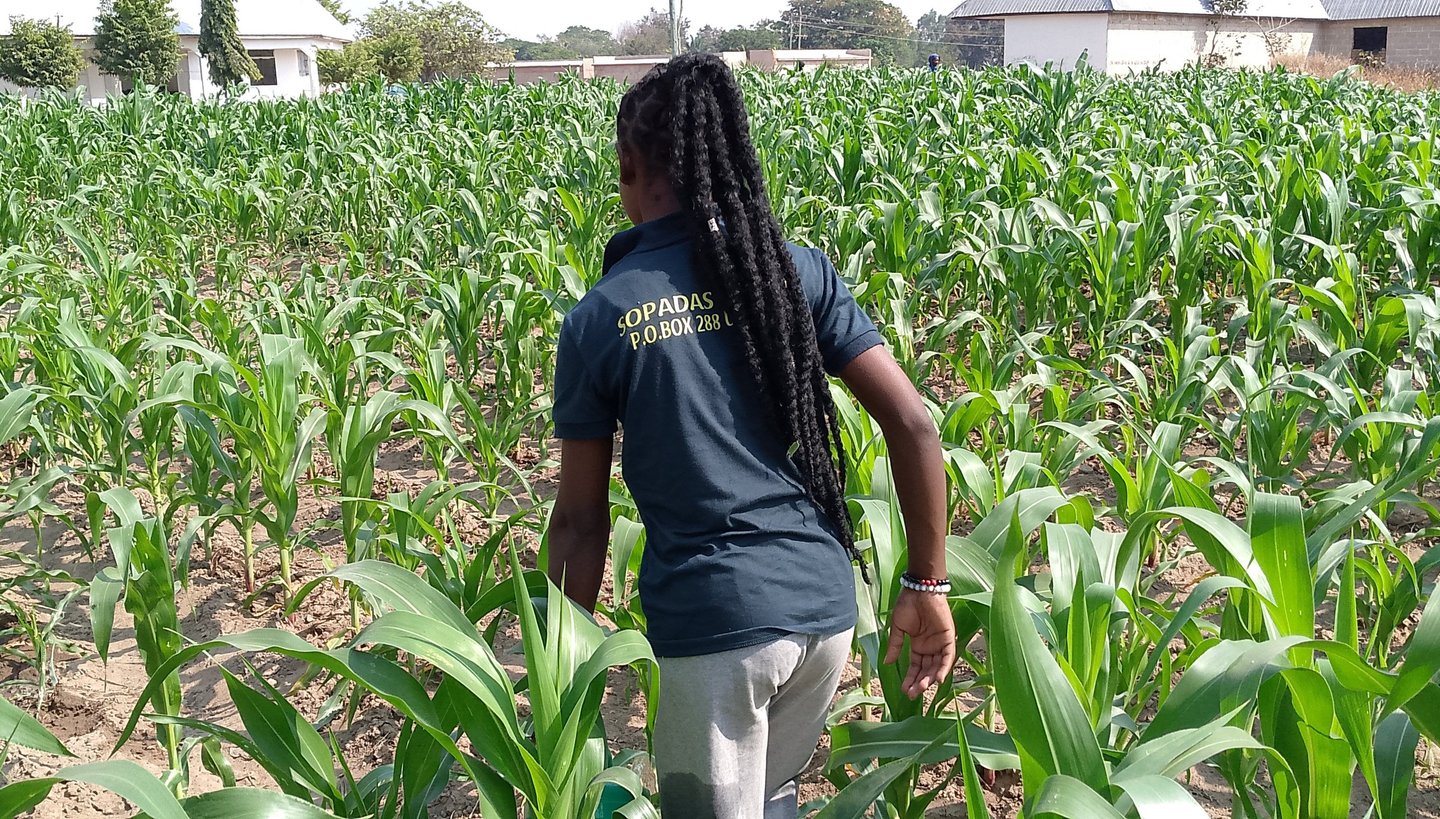
We reject passive classroom lectures. Our educational model operates directly on the soil, led by local agronomists who understand regional microclimates, soil chemistry, and water constraints.
Peer-to-peer agronomy
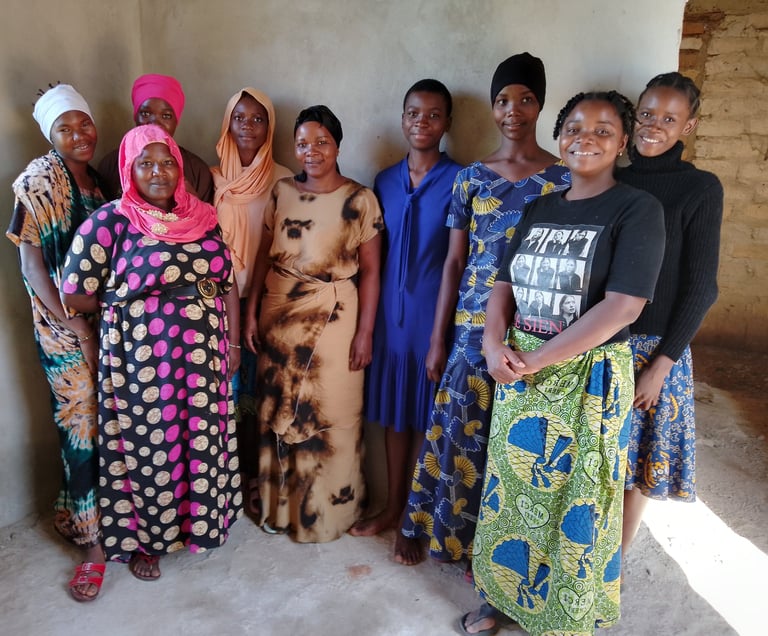
By training local leaders as peer educators, we establish a permanent knowledge infrastructure. Farmers master soil health, crop rotation, and organic pest control, then pass those skills directly to neighboring families.
1. Access to Resources
Land Availability and Quality: Securing fertile land that is suitable for agriculture can be difficult, especially in regions facing land scarcity or degradation.
Water Supply: Reliable access to water for irrigation is critical. Many agrarian communities struggle with water scarcity or inefficient water management.
Seeds and Inputs: Access to quality seeds, fertilizers, and tools is essential for productive farming but often limited by cost or availability.
2. Economic Viability
Market Access: Small agrarian communities often face challenges in accessing markets to sell their produce at fair prices.
Financial Services: Limited access to credit, insurance, and investment restricts the ability to invest in better technologies or expand operations.
Income Diversification: Over-reliance on a single crop or farming activity can make communities vulnerable to market or climate shocks.
3. Technical Knowledge and Skills
Agricultural Education: Farmers need training in sustainable farming practices, pest management, soil conservation, and modern techniques.
Extension Services: Lack of effective agricultural extension services limits knowledge transfer and innovation adoption.
4. Infrastructure
Transportation: Poor roads and transport networks hinder access to markets, inputs, and services.
Storage Facilities: Lack of proper storage leads to post-harvest losses and reduced income.
Energy Access: Limited or no access to electricity affects processing, irrigation, and overall productivity.
5. Social and Institutional Factors
Community Organization: Building strong, cooperative community structures is essential but can be hampered by social divisions or lack of leadership.
Land Tenure Security: Unclear or insecure land rights discourage investment and long-term planning.
Policy Support: Inadequate government policies or support programs can limit community development.
6. Environmental Challenges
Climate Change: Increasing variability in weather patterns, droughts, floods, and pests threaten agricultural productivity.
Soil Degradation: Overuse or poor management of land can lead to erosion, nutrient depletion, and reduced fertility.
Biodiversity Loss: Monoculture practices can reduce biodiversity, affecting ecosystem resilience.
7. Cultural and Behavioral Factors
Resistance to Change: Traditional practices and skepticism toward new methods can slow adoption of sustainable techniques.
Youth Engagement: Younger generations may migrate to urban areas, leading to labor shortages and loss of agricultural knowledge
Three core disciplines
Our structured curriculum bridges the gap between physical cultivation and market independence. Every module requires field demonstration before certification.
Soil & Water Dynamics
Cooperative Management
Artisan Livelihoods
Practical training in soil chemistry analysis, organic composting, crop rotation, and gravity-fed drip irrigation systems to maximize yields during dry seasons.
Courses in financial literacy, collective bargaining, and cooperative governance, ensuring local farmers retain profits and build independent solidarity economies.
Technical instruction in post-harvest processing, packaging, and direct-to-market logistics, allowing rural communities to bypass predatory middlemen entirely.
Active agronomy partnerships
We partner with institutional donors and community leaders to establish self-sustaining training hubs. Invest in structured agricultural education that permanently replaces external aid.